

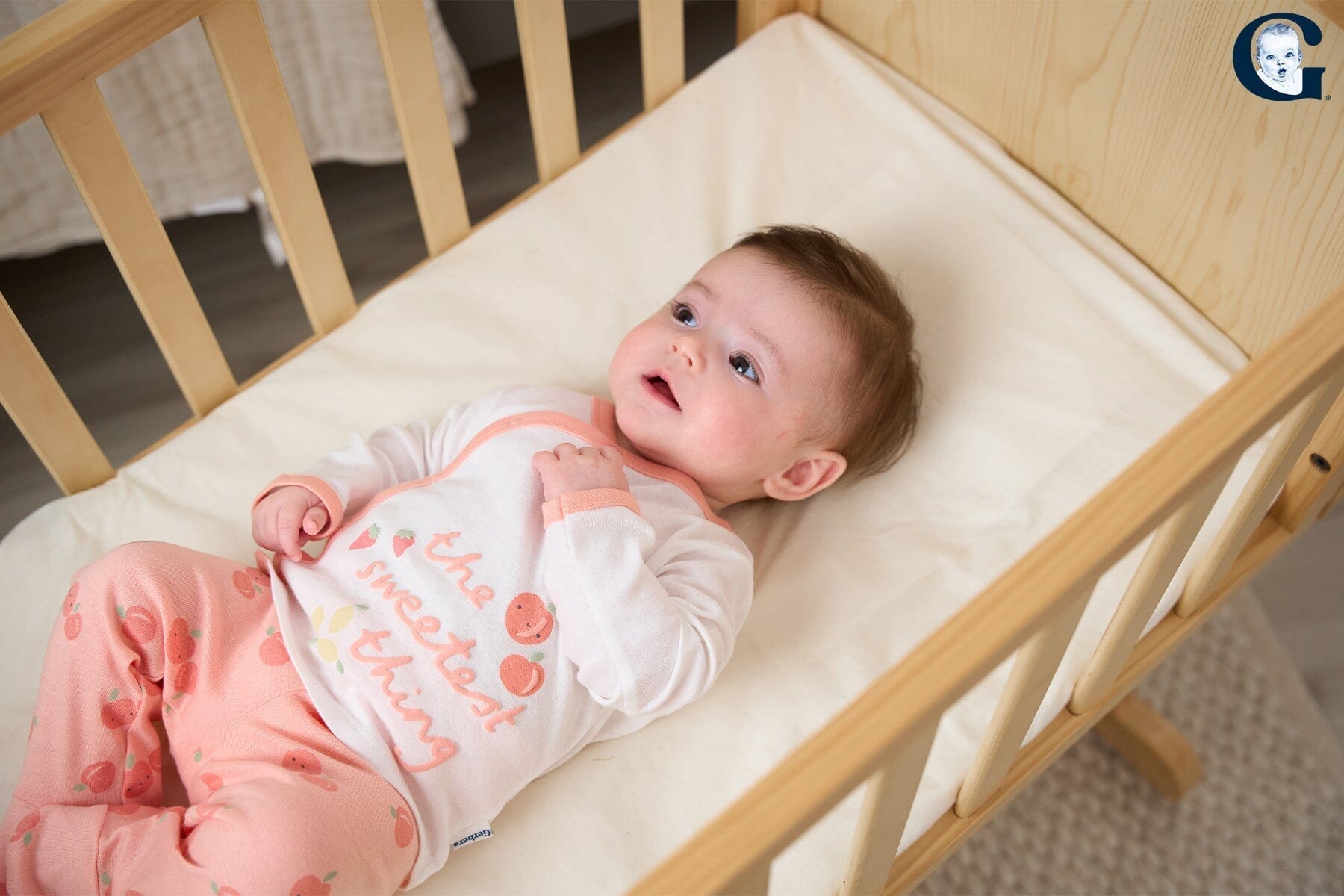
Choosing your baby's crib is one of the most important decisions you'll make as you prepare your nursery. Unlike other baby gear that your little one will quickly outgrow, a quality crib will be your child's safe sleep space for years to come. With countless options on the market, knowing how to choose a crib can feel overwhelming. But here's the good news: by prioritizing safety first and features second, you can confidently select the perfect crib for your baby.
Why Safety Must Come First
When it comes to what to look for in a crib, safety isn't just the first consideration, it's the foundation of every other decision. A beautifully designed crib with all the latest features means nothing if it doesn't meet rigorous safety standards. Every year, crib-related incidents remind us why these standards exist and why parents must be vigilant when shopping.

Non-Negotiable Safety Standards
Current Certification Requirements
Before you fall in love with any crib's design, verify that it's certified by the Juvenile Products Manufacturers Association (JPMA). This certification indicates that the crib has been independently tested and meets all current federal safety standards. When you're learning how to pick a crib, this seal should be your first checkpoint.
Equally important is ensuring the crib complies with regulations set by the U.S. Consumer Product Safety Commission (CPSC). Since 2011, drop-side cribs have been banned in the United States due to safety concerns, so any crib manufactured after June 2011 should have fixed sides only. If you're considering a hand-me-down or secondhand crib, this is especially critical to verify.
Slat Spacing and Construction
The distance between crib slats must be no more than 2 3/8 inches apart. This specific measurement prevents your baby's head from becoming trapped between the slats. When shopping in person, bring a small ruler or tape measure and check the spacing between slats
Beyond slat spacing, inspect the overall construction quality. The crib should feel solid and sturdy with no wobbling when you shake it. All screws, bolts, and hardware should be present and secure. Corner posts should be flush with the end panels or extremely tall (like those on a canopy bed) to prevent clothing from catching and becoming a strangulation hazard.
Mattress Fit and Support
A proper mattress fit is crucial for your baby's safety. When you place a mattress in the crib, you should not be able to fit more than two fingers between the mattress and the crib frame. Any gap larger than this poses an entrapment risk. The mattress support system should be securely attached to the crib frame, and you should be able to adjust the mattress height as your baby grows.
Most cribs offer at least two mattress height positions. The highest position makes it easier to lift your newborn in and out, while the lowest position prevents an older baby from climbing out. Test the adjustment mechanism to ensure it's secure and won't accidentally lower while your baby is in the crib.
Inspecting for Hazards

Surface and Finish Check
Run your hands along all surfaces of the crib, feeling for any rough spots, splinters, or sharp edges. The finish should be smooth and non-toxic. Lead-based paint is now banned on children's products, but if you're considering an older crib, this is a serious concern. All modern cribs should use non-toxic, baby-safe finishes. If you can’t confidently verify the finish on an older crib (without using a lead test kit or working with a professional), it’s safest to choose a newer crib that clearly meets current standards.
Check for any decorative cutouts in the headboard or footboard. While these can look charming, they may pose an entrapment hazard if your baby's limbs or head can fit through them. Simple, solid designs are typically the safest choice.
Hardware and Stability
Examine all hardware carefully. There should be no missing screws, loose bolts, or cracked plastic components. Metal hardware is generally more durable than plastic. The crib should not have any peeling decals or decorative elements that a baby could pull off and potentially choke on.
Test the stability by firmly shaking the crib from different angles. It shouldn't wobble, twist, or creak excessively. A stable crib frame is essential because active babies and toddlers will inevitably rock and shake their crib during play and sleep.
Essential Features to Consider After Safety
Once you've confirmed a crib meets all safety standards, you can start evaluating features based on your lifestyle and needs.
Convertible Functionality
Convertible cribs transform from a crib into a toddler bed, daybed, or even a full-size bed. While they cost more upfront, they offer excellent long-term value. If you're setting up your nursery essentials on a budget, this feature can save you from purchasing multiple beds as your child grows. However, make sure the conversion doesn't compromise the crib's stability or safety at any stage.
Adjustable Mattress Heights
While we mentioned this as a safety feature, the number of adjustment levels is worth considering for convenience. Cribs with three or four mattress positions offer more flexibility as your baby develops. You'll want the mattress at its highest level for newborns to save your back, and you'll need to lower it before your baby can sit up unassisted.
Storage Solutions
Some cribs come with built-in drawers underneath, which can be incredibly useful in smaller nurseries. However, ensure these drawers are stable, run smoothly, and don't compromise the crib's structural integrity. When you're planning where everything goes in your baby's room, under-crib storage can be a game-changer for keeping extra bedding, sleep sacks, and other items within easy reach.
Material and Finish Options
Solid wood cribs are typically the most durable and stable option, though quality engineered wood cribs can also be excellent choices. Common woods include pine, birch, maple, and oak. Each has different characteristics in terms of durability and appearance. The finish should be free of harmful chemicals and tested for safety, regardless of the material.
Style and Design
Once safety is confirmed, you can focus on aesthetics. Do you prefer a modern minimalist design, a traditional sleigh-style crib, or something with a vintage charm? The crib often serves as the focal point of your nursery, so choose a style that complements your vision for the space. Consider whether you want a natural wood finish, white, gray, or another color that coordinates with your nursery theme.
Practical Considerations

Assembly Requirements
Most cribs require assembly, and some are significantly more complex than others. Read reviews about the assembly process before purchasing. A crib that takes hours to assemble with confusing instructions can be frustrating when you're already juggling pregnancy or caring for a newborn. Some retailers offer assembly services for an additional fee, which might be worth considering.
Size and Space
Standard full-size cribs measure approximately 28 inches wide by 52 inches long. Mini cribs are smaller, typically around 24 inches by 38 inches, and work well in compact spaces or for parents who want a crib in their bedroom initially. However, babies outgrow mini cribs faster, and you'll have fewer options for bedding and accessories.
Measure your nursery space carefully before purchasing. Remember to account for space to walk around the crib comfortably and open any drawers or access storage. You'll also need room for other essential items like a changing table, glider, and storage solutions.
Bedding Compatibility
Once you've selected your crib, you'll need proper bedding to complete the sleep space. A high-quality fitted crib sheet is essential, and you'll want several on hand for quick changes. Look for sheets with deep pockets and elastic that holds firmly to prevent them from slipping off during the night.
For warmth and comfort, consider breathable options that are safe for your baby's sleep environment. Remember that loose blankets should never be placed in the crib with a sleeping infant, but you'll still want them on hand for supervised tummy time, stroller rides, and cuddles.
Budget Considerations
Cribs range from around $100 to well over $1,000. While you don't need the most expensive option, extremely cheap cribs may cut corners on quality and durability. Set a realistic budget that allows you to prioritize safety and quality without overspending on unnecessary features. If the budget is tight, put your money toward the crib and mattress first, then add accessories and decorative elements as you can afford them.
What to Avoid
- Never purchase a crib with:
- Drop-side rails (banned since 2011)
- Missing or broken hardware
- Decorative cutouts that could trap limbs
- Corner posts that stick up more than 1/16 inch (unless they're tall enough to be canopy posts)
- Cracked or split wood
- Peeling paint or finish
- Loose or wobbly construction
Additionally, avoid placing the crib near windows, curtains with cords, or wall hangings that could fall into the crib. The sleep space itself should contain only a fitted sheet and your baby, nothing else.
Making Your Final Decision
When you're ready to make your purchase, take your time. Visit stores to see cribs in person if possible, even if you plan to buy online. Touch the surfaces, test the mechanisms, and visualize it in your nursery. Read customer reviews focusing on comments about safety, durability, and ease of assembly.
Remember that the safest, most expensive crib in the world won't help your baby sleep better if it's not properly assembled or used correctly. Always follow the manufacturer's instructions exactly, and register your crib so you'll be notified of any recalls.
Completing Your Baby's Sleep Space
After selecting the perfect crib, you'll want to outfit it properly with safe, comfortable bedding essentials. Choose fitted sheets that coordinate with your nursery design while keeping safety at the forefront. As your baby grows and transitions out of the swaddle phase, you'll also want sleep sacks and wearable blankets that provide warmth without the risks associated with loose bedding.
Creating a safe, comfortable sleep environment is one of the most loving things you can do for your baby. By prioritizing safety first and then selecting features that work for your family's lifestyle, you'll choose a crib that gives you peace of mind and gives your baby a secure place to rest and grow. Take your time with this important decision, trust your instincts, and know that by following these guidelines, you're setting your little one up for years of safe, peaceful sleep.


